

起动故障常见起动故障为起动超时故障,即PLC驱动输出继电器动作,在正常时间内电动机未能相应起动。
运行故障在系统运行中,可能出现电动机过载跳闸、自动方式被人为改变、保护人身和设备安全的急停开关动作等突发性事件或故障。以上故障和信号任一种出现,均应将PLC程序立即转入执行停止命令阶段,按程序设定停止生产流程,对于这种需立即中止生产过程的故障,称之为一类故障。
在实际生产中还有另一种故障不需要立即停止生产流程,如除尘器,该类设备在整个生产流程中属于附属设备,如不运行也不会影响生产的正常进行,当其发生故障时,PLC系统可先停掉该设备并向操作员发出声、光报警信号,由总调度室指派维修人员进行设备检修而PLC系统可继续执行生产主流程程序,这类故障可称为二类故障。
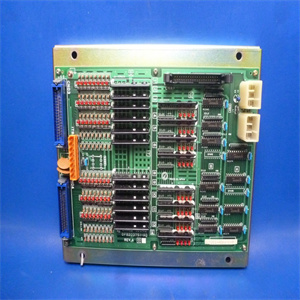
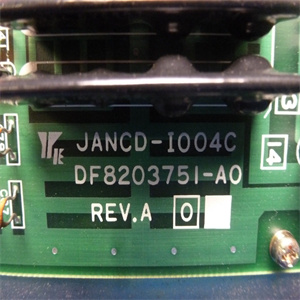
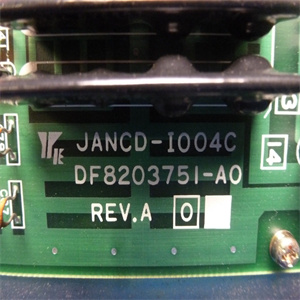
JANCD-JIF10-485099
Starting fault the common starting fault is the starting timeout fault, that is, the PLC drives the output relay to act, and the motor fails to start within the normal time.
Operation fault during system operation, sudden events or faults such as motor overload tripping, automatic mode being artificially changed, emergency stop switch action to protect personal and equipment safety may occur. In case of any of the above faults and signals, the PLC program shall be immediately transferred to the stage of executing the stop command, and the production process shall be stopped according to the program setting. Such faults requiring immediate suspension of the production process are called class I faults.
In actual production, there is another kind of fault that does not need to stop the production process immediately, such as dust collector. This kind of equipment is an auxiliary equipment in the whole production process. If it does not run, it will not affect the normal progress of production. When it fails, the PLC system can first stop the equipment and send audible and visual alarm signals to the operator. The general dispatching room will assign maintenance personnel to repair the equipment, and the PLC system can continue to execute the main production process procedures, This kind of fault can be called class II fault.

 客服1
客服1